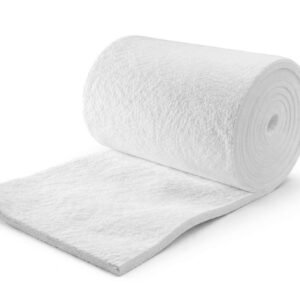
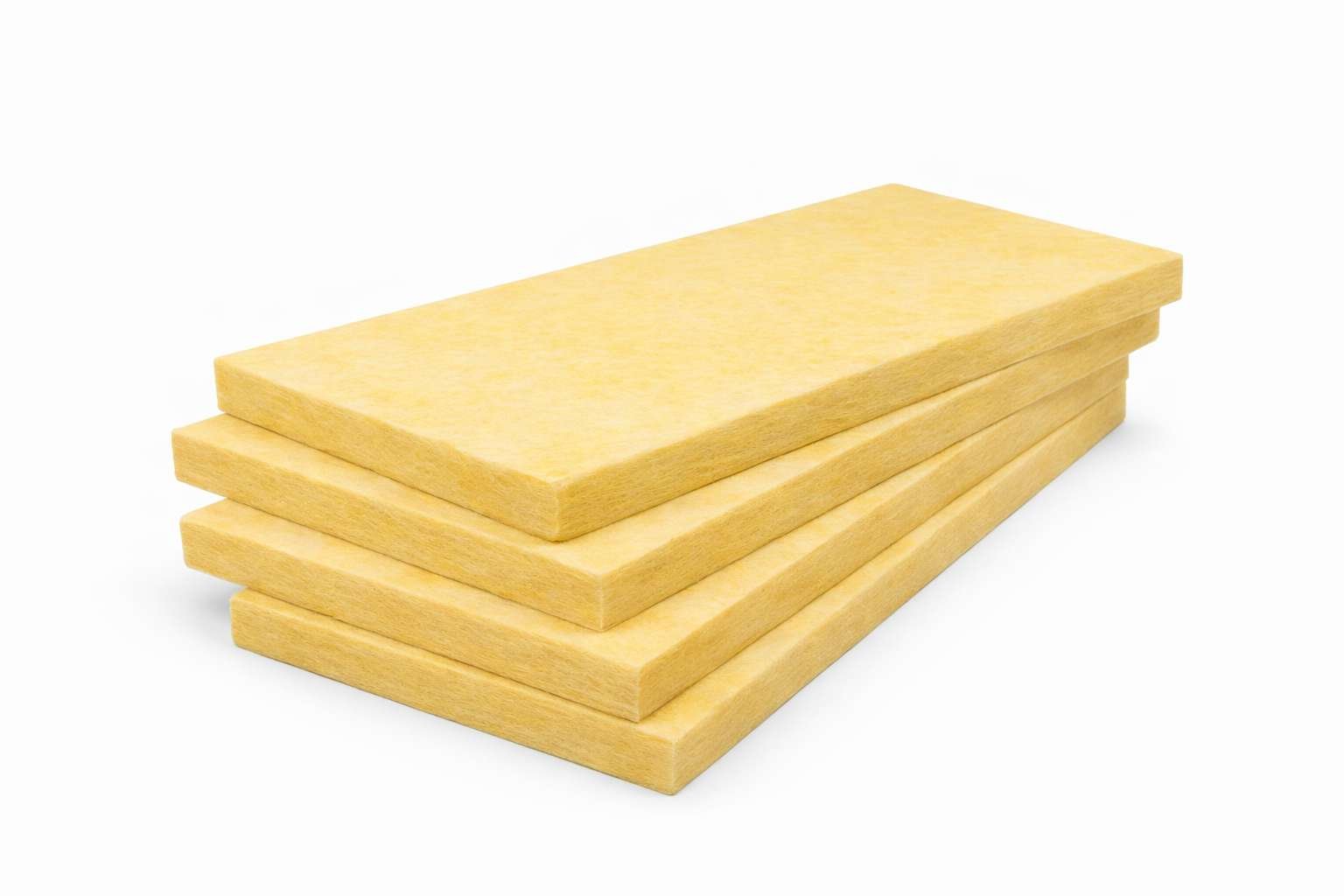
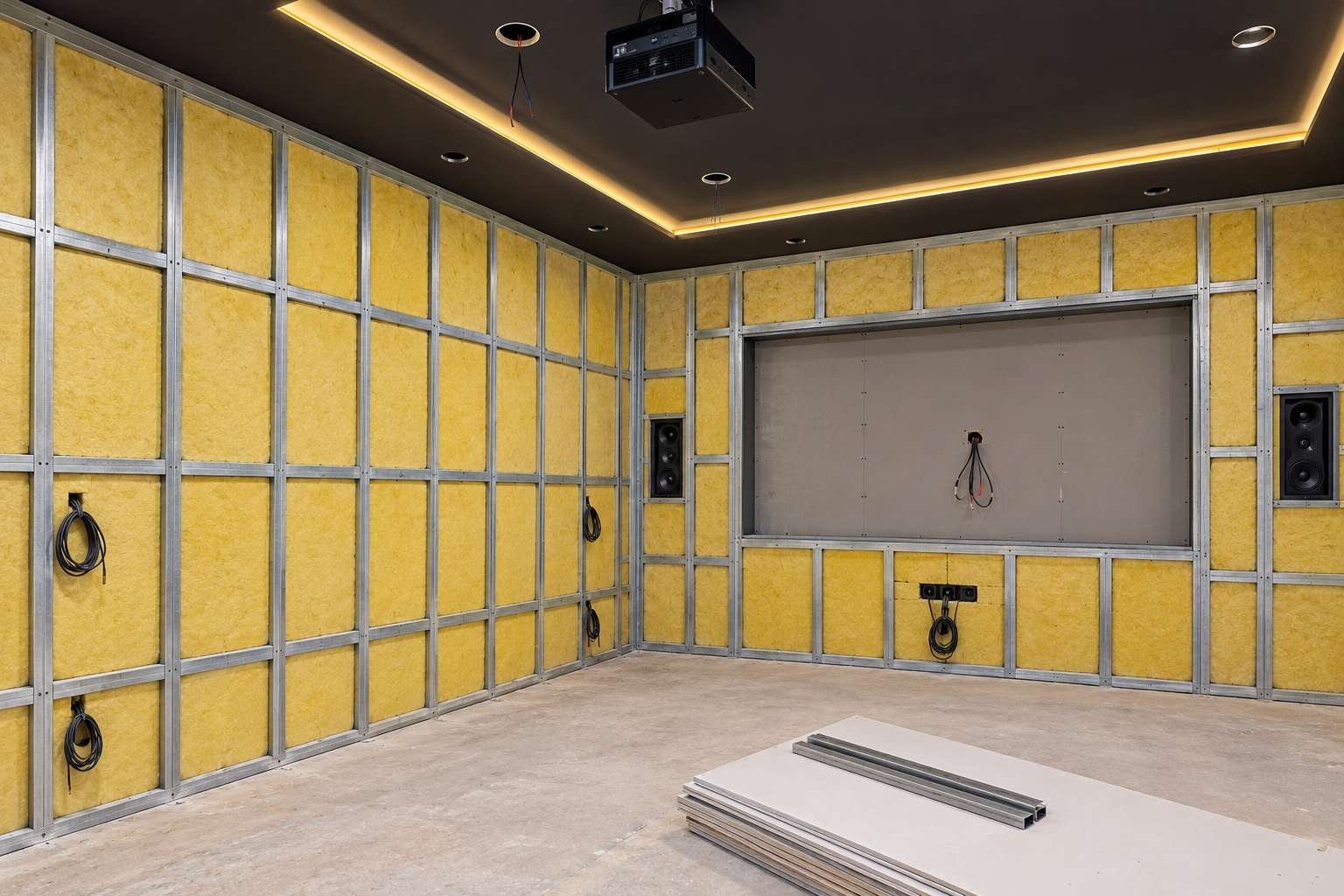
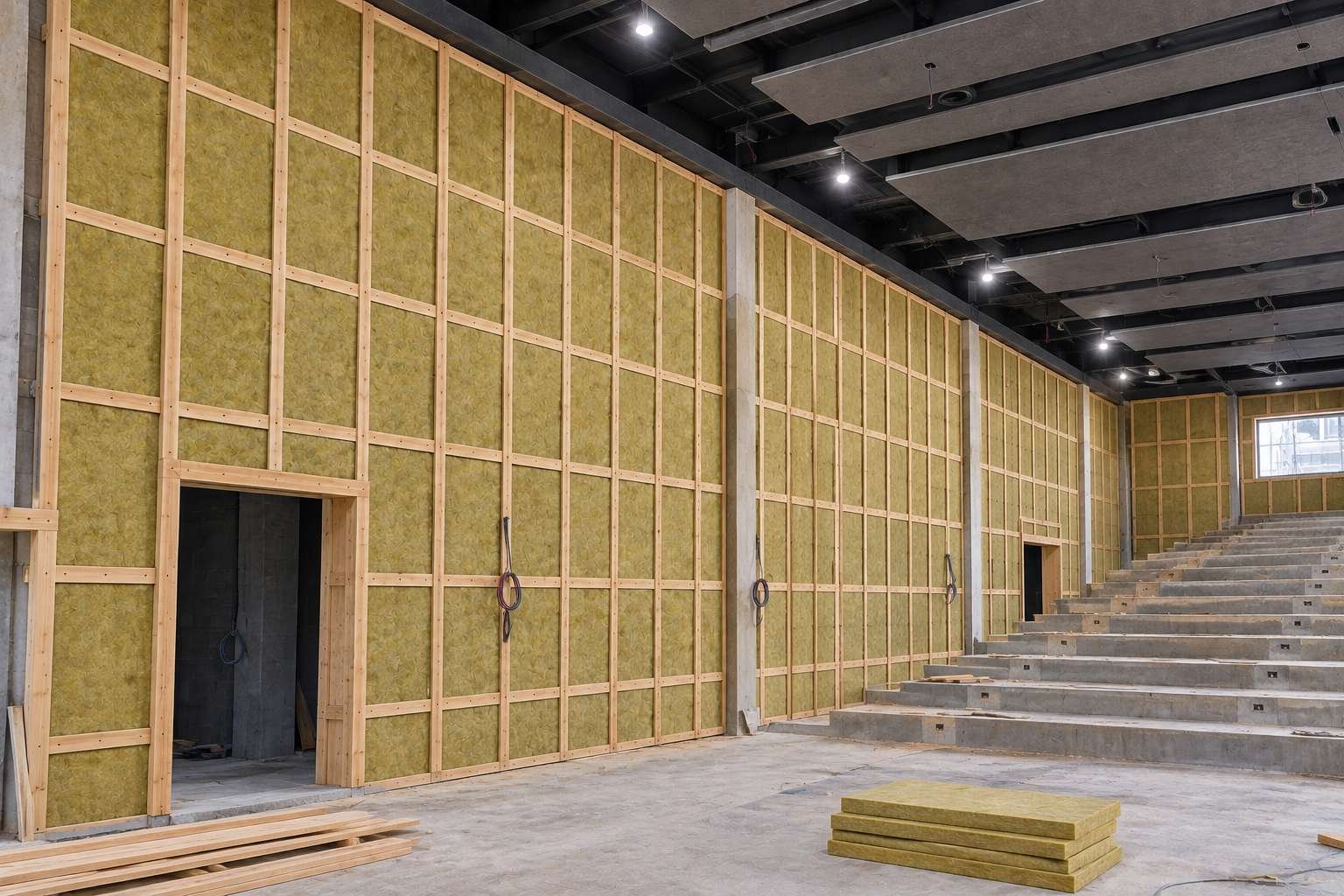
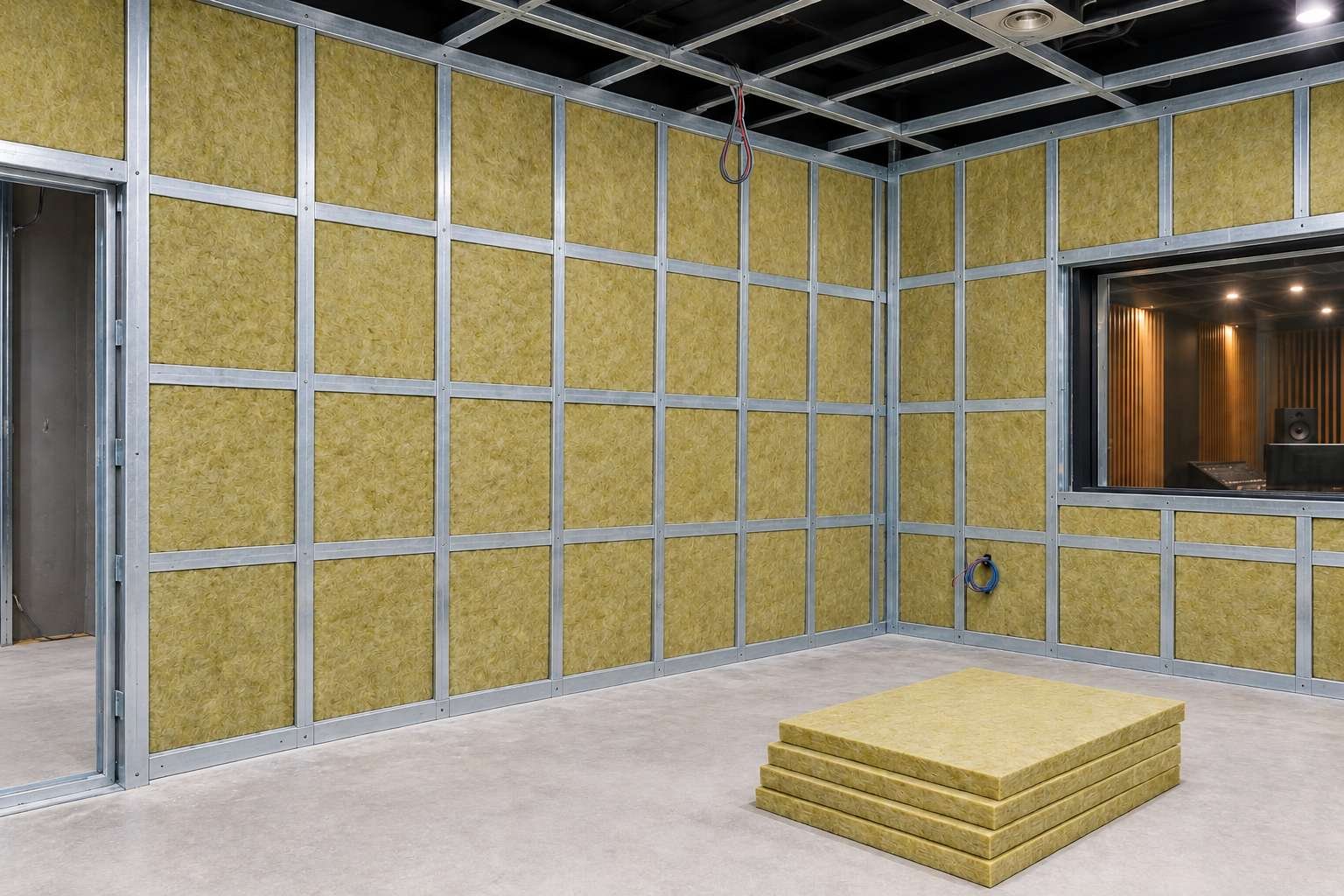
Rock Wool Board is a high-performance acoustic and thermal insulation material made from mineral wool fibres derived from natural rock. Its dense fibrous structure effectively absorbs sound energy, helping reduce noise transmission, echo, and reverberation while also providing excellent thermal insulation. Designed for use in walls, ceilings, partitions, auditoriums, studios, and other acoustic assemblies, it offers reliable performance and long-term durability. Rock Wool Board is easy to install and can be used as a core material behind acoustic panels, fabric finishes, and other sound treatment systems.
Rockwool Board for Acoustic Treatment and Insulation
Rockwool Board is a versatile insulation material used in acoustic treatment and building applications where sound absorption and thermal insulation are important. Also known as rock wool board, acoustic rock wool board, or rockwool insulation board, it is generally manufactured from mineral fibres derived from rock. Its fibrous structure helps absorb sound energy and can help reduce unwanted echo and reverberation when used as part of a properly designed acoustic system.
At Dr. Acoustic, rockwool boards can be considered for acoustic applications in walls, ceilings, partitions, and other building assemblies, depending on the required density, thickness, and installation method. They are commonly used as an internal absorption layer behind suitable wall finishes or within acoustic constructions to support improved sound control.
Rockwool Board for Walls and Ceilings
A rock wool insulation board can be incorporated into wall and ceiling systems to help manage sound within a room. In recording studios, conference rooms, offices, classrooms, and home theatres, suitable acoustic assemblies can help control sound reflections and improve listening comfort.
For auditoriums, performance spaces, and other large interiors, rockwool board may be used as part of a broader acoustic treatment design. The final result depends on the complete assembly, including the board’s properties, facing material, air gaps, supporting framework, and room design.
Rockwool board is also used in building applications where thermal insulation is required. The appropriate product should be selected according to its intended use and verified performance data.
Rockwool Acoustic Board for Different Applications
Rockwool acoustic board can be considered for a range of commercial and residential projects. In recording studios and home theatres, it may form part of a wall or ceiling system designed to manage sound reflections. In offices, conference rooms, and classrooms, it can be incorporated into acoustic constructions to help create more comfortable sound environments.
For auditoriums and other large spaces, the board may be included in a complete acoustic treatment solution alongside suitable surface panels and other sound-control materials. For walls and ceilings that require sound isolation between rooms, additional construction measures may be necessary.
When selecting a rockwool board, consider the intended application, required thickness and density, installation conditions, fire-performance documentation, and the performance of the complete system. These details help ensure that the selected material is suitable for the project.
Frequently Asked Questions About Rockwool Board
1. What is a rockwool board?
Rockwool board is a rigid or semi-rigid mineral-fibre insulation product made primarily from rock-based fibres. Depending on the product, it can be used for acoustic sound absorption, thermal insulation, or both.
2. Does rockwool board help with sound absorption?
Yes. Its fibrous structure can absorb sound energy when appropriately selected and installed. It is often used inside acoustic wall and ceiling systems to help reduce reflections and reverberation.
3. Is rockwool board the same as a soundproofing board?
Not exactly. Rockwool board is generally used for sound absorption and insulation. Soundproofing between rooms requires a complete sound-isolating construction, which may include mass, airtightness, structural separation, and suitable sealing.
4. Where can rockwool acoustic board be used?
Depending on the product and system design, applications may include recording studios, auditoriums, offices, classrooms, conference rooms, home theatres, partitions, and wall or ceiling assemblies.
5. Can rockwool insulation board be installed in walls and ceilings?
Yes. Suitable rockwool boards can be incorporated into wall and ceiling systems. The installation method, supporting framework, facing, and protective measures should match the product requirements and project design.
6. Is rockwool board suitable for thermal insulation?
Some rockwool boards are designed for thermal insulation as well as acoustic applications. Check the specific product’s technical documentation to confirm its thermal performance and suitability.
7. What affects the price of rockwool board?
Rockwool board price can vary according to thickness, density, dimensions, quantity, product grade, and delivery location. Contact Dr. Acoustic with your project requirements to request suitable options and a quotation.
Find the Right Rockwool Board for Your Project
Choosing the right rockwool board starts with understanding your acoustic or insulation requirements. Whether you are planning a recording studio, auditorium, office, classroom, home theatre, or wall and ceiling installation, the product should match the needs of the complete system.
Contact Dr. Acoustic to discuss your application and obtain guidance on selecting a suitable rockwool insulation board for your project.